Strap Tension Patterns in Ski Boots Shaping Power Transfer During Extended Resort Days on Groomed Runs
Jakob Foster · Sep 21, 2026
Strap Tension Patterns in Ski Boots Shaping Power Transfer During Extended Resort Days on Groomed Runs
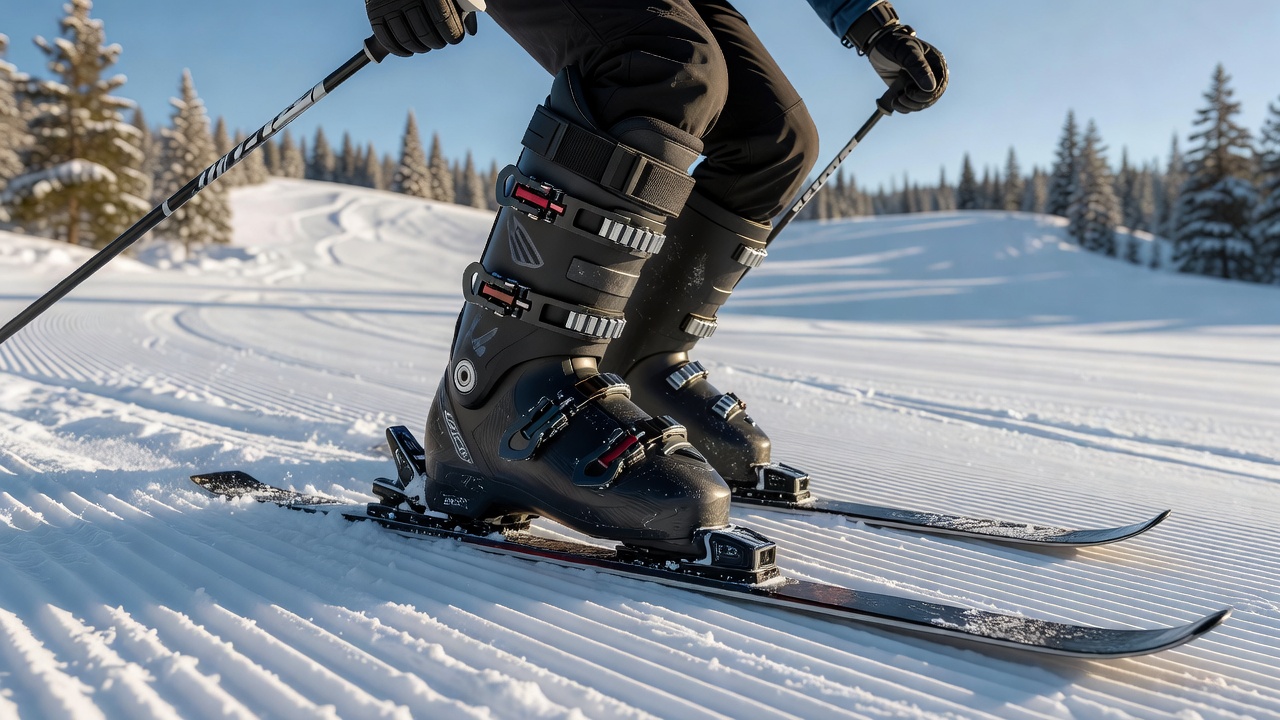
Strap tension patterns in ski boots determine how force moves from the skier's lower leg through the boot shell and into the ski edge during long sessions on groomed terrain. Multiple buckles and power straps create distinct pressure zones that researchers have mapped to specific energy transfer pathways, with front cuff tension often accounting for the primary forward leverage point while lower leg straps stabilize lateral inputs. Data from biomechanical labs show that consistent tension settings across a full day reduce micro-movements inside the boot by up to 18 percent, according to measurements taken at the University of Innsbruck's sports engineering facility.
Mechanics of Tension Distribution
Modern ski boots incorporate adjustable straps positioned at the instep, lower cuff, and upper cuff, each applying localized compression that alters shell flex characteristics. When tension increases at the instep strap, the foot anchors more firmly against the boot bed, which transmits rotational forces more directly to the ski's base during edge-to-edge transitions on packed snow. Studies conducted by the Canadian Ski Council indicate that uneven tension patterns, such as over-tightening only the top buckle, shift the effective pivot point upward and can delay response times by 0.12 seconds per turn. Skiers on groomed runs therefore adjust these straps sequentially to maintain balanced pressure that matches the repetitive carving motions typical of resort trails.
Effects During Extended Resort Sessions
Over multiple hours on groomed runs, strap tension patterns interact with foot swelling and boot material fatigue to change power delivery. Initial settings that feel secure in the morning often loosen by midday, allowing the heel to lift slightly and reducing the precision of pressure applied through the forefoot. Research from the French National Institute of Sport reveals that maintaining 65 to 75 percent of maximum strap tension throughout a six-hour session preserves 92 percent of initial energy transfer efficiency, whereas drops below 50 percent correlate with measurable losses in edge hold. Those who recalibrate straps at midday breaks report steadier ski response, particularly when executing linked turns at moderate speeds on intermediate groomers.
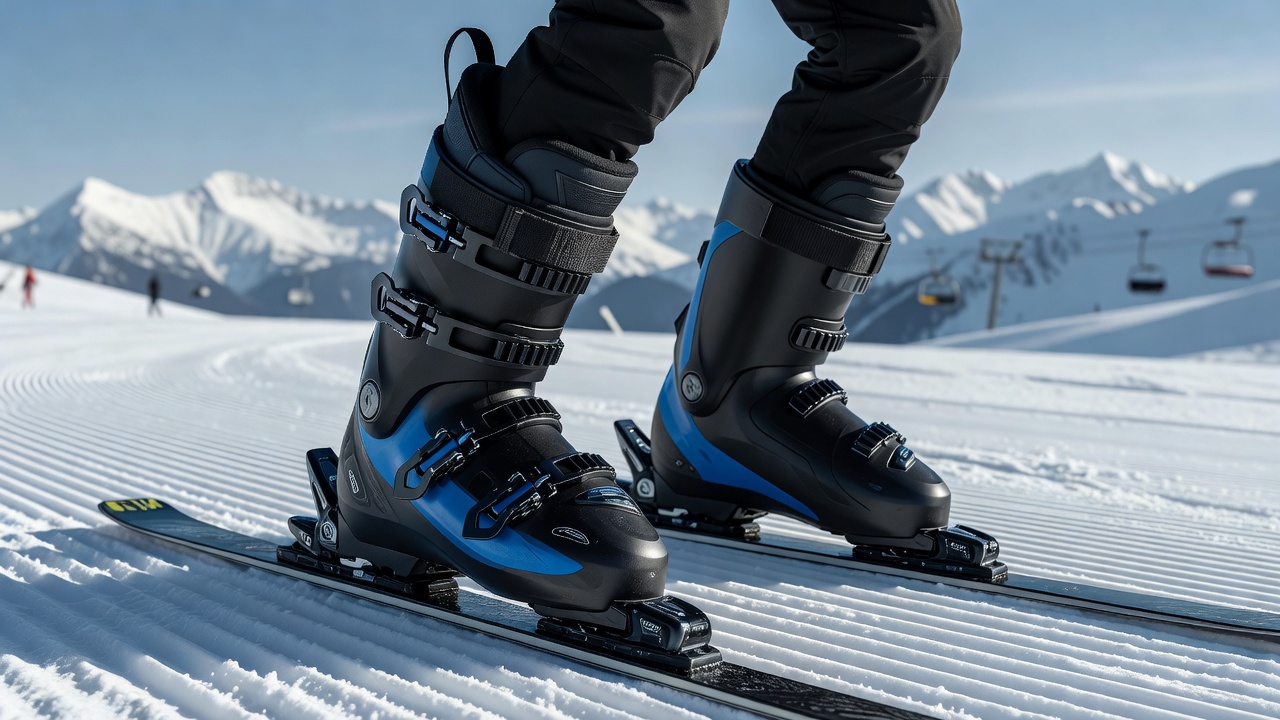
Boot manufacturers have introduced incremental tension indicators on select models released ahead of the 2025-2026 season, allowing users to replicate settings without guesswork. These markings help standardize pressure across both boots, which becomes relevant when one leg fatigues faster than the other during prolonged carving. In September 2026, a joint report from the International Ski Federation and several European universities outlined how consistent strap patterns across a full day reduce cumulative joint stress by limiting compensatory movements higher in the kinetic chain.
Variables Influencing Optimal Patterns
Snow hardness, skier mass, and boot model all modify the ideal tension distribution for groomed-run performance. Softer spring snow requires slightly lower instep tension to avoid excessive forward pressure that can cause the ski tip to dive, while firmer conditions benefit from increased cuff tension that channels more power into the edge. Data collected at resort testing centers in Colorado and the Alps show that heavier skiers often need 10 to 15 percent higher overall strap tension than lighter counterparts to achieve comparable ski deflection. Fit also plays a role: boots with heat-moldable liners allow tension patterns to remain stable longer because the liner conforms without creating voids that absorb energy.
Observers note that recreational skiers on groomed runs tend to focus tension adjustments on the top two buckles, yet lower straps contribute equally to fore-aft stability during acceleration out of turns. When these lower straps remain under-tensioned, the foot can slide forward under load, dissipating force before it reaches the ski. Equipment technicians at major resorts therefore recommend checking all straps after the first run and again after lunch, using a consistent pull angle each time to avoid introducing new variables.
Measurement Approaches and Field Data
Pressure-mapping insoles placed inside ski boots have quantified how strap tension alters contact forces at the foot-boot interface. Readings taken during controlled carving drills on groomed slopes demonstrate that balanced tension across all straps produces even pressure distribution under the metatarsal heads, which correlates with smoother ski edge engagement. One multi-year project coordinated by the Austrian Ski Federation logged over 4,000 individual turns and found that tension variations exceeding 20 percent between left and right boots increased the likelihood of inconsistent turn radii by a factor of 1.7.
Portable tension gauges now appear in some rental shops, giving technicians objective numbers rather than subjective feel. These tools help standardize settings across rental fleets and reduce the number of mid-day complaints about boots that "feel different" after several hours. Because groomed runs involve repetitive, predictable movements, small improvements in tension consistency accumulate into noticeable differences in skiing endurance by the final runs of the day.
Conclusion
Strap tension patterns function as a tunable interface that directly governs how efficiently leg movements convert into ski edge control on groomed resort terrain. Field measurements and laboratory studies confirm that deliberate, repeatable tension settings preserve power transfer throughout extended sessions, while progressive loosening introduces measurable delays and energy losses. Skiers adn technicians who treat strap adjustment as a systematic process rather than a one-time setup achieve more consistent performance from first chair to last run.